Frame Embroidery Design Review
A First Look at Frame
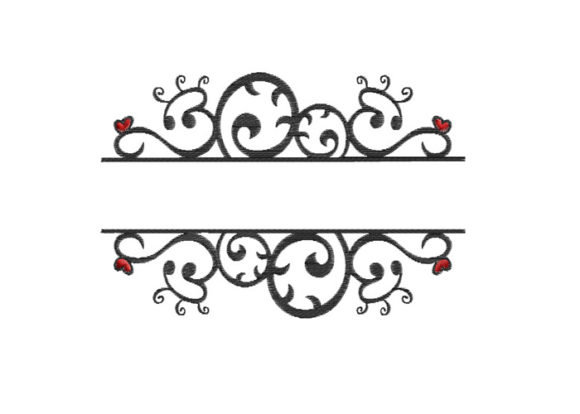
When I first opened the Frame embroidery design file, it immediately struck me as a versatile and elegant addition to any designer's toolkit. The machine embroidery design has a clean, structured look that feels both modern and timeless. It’s one of those designs that can easily shift from a subtle border on a tote bag to a bold statement on a custom sweatshirt.
The Frame design is minimalist in its approach but rich in detail. It doesn’t scream for attention but instead invites the viewer to notice the craftsmanship behind it. This makes it perfect for projects where the embroidery should complement rather than overshadow the fabric or garment.
Real-Life Scenario: Custom Tote Bag with Frame
I recently used Frame to create a custom embroidered tote bag for a small boutique. The client wanted something understated yet professional—something that would elevate their brand without being too flashy. I chose this design because of its clean lines and ability to blend seamlessly into the fabric.
After stitching Frame onto a canvas tote, I was impressed by how well it held up. The stitch density was just right—not too heavy that it pulled the fabric, but enough to give it a polished finish. It looked great against both light and dark fabrics, which gave me confidence in using it for different product lines.
Customers who received the tote were particularly drawn to the subtle elegance of the Frame embroidery. It added a touch of refinement that made the product feel more premium. For a handmade product like this, Frame delivered exactly what was needed—a quiet, sophisticated presence.
Where Frame Shines
Frame is ideal for a wide range of embroidery projects, especially when you're looking for a border that adds structure without overwhelming the piece. Here are some of the best applications:
- Custom Apparel: Sweatshirts, t-shirts, and caps benefit from Frame as a subtle accent along the neckline or sleeve.
- Tote Bags: As shown in my example, Frame works beautifully as a decorative border on canvas or cotton totes.
- Baby Items: A gentle Frame border on onesies or blankets gives a refined, handmade feel.
- Patches: Used as an applique design, Frame can be part of a larger patch or stand alone as a decorative element.
- Home Decor: Pillow covers, tea towels, and aprons all gain a professional edge with Frame.
- Gifts: Whether it's a holiday gift or a personalized item, Frame adds value and visual appeal.
Design Considerations and Limitations
While Frame is a strong design, there are a few scenarios where it might need careful handling. For instance, if you're working with very small hoop sizes, parts of the design may get cut off or lose definition. It's also important to consider the fabric texture—on stretchy or thin materials, the stitch density could cause puckering unless the right stabilizer is used.
On dark fabrics, thread color contrast becomes crucial. I recommend testing Frame in black and white mockups before finalizing your color choices. Also, if you're planning to use this design on curved surfaces like caps or hats, make sure to review the layout carefully to avoid distortion.
For commercial use, always confirm the licensing terms. If you're an Etsy seller or running a craft business, ensuring proper rights to sell finished products is essential.
Embroidery Designer Notes
Here are a few practical tips to ensure the best results when using Frame:
- Test on Scrap Fabric: Always test the design on a scrap piece of fabric before committing to a final project. This helps catch any potential issues early.
- Check Thread Color Contrast: Make sure the thread colors work well with your chosen fabric background.
- Review Stitch Density: Adjust the stitch density if necessary to prevent fabric distortion.
- Confirm Hoop Size: Ensure the hoop size is appropriate for the full design to avoid cutting off details.
- Inspect Small Details: Zoom in on the design to check for tiny elements that might not translate well to fabric.
- Use Proper Stabilizer: Especially on stretchy or thin fabrics, a good stabilizer can make a big difference.
- Test in Black and White Mockups: This helps visualize how the design will look on different fabric colors.
- Compare Light and Dark Fabrics: See how the design interacts with various backgrounds to determine the best use cases.
- Check Licensing Before Selling: If you plan to use this in a commercial embroidery project or sell digital assets, confirm the license allows such use.
Frame is a solid choice for designers looking for a border that adds refinement without complexity. Its versatility makes it suitable for a wide range of embroidery projects, from personal use to commercial sales. Just remember to take the time to test and adjust based on your specific needs. With the right preparation, Frame can become a go-to design for your next custom creation.